Think vegan food is limited? Indian cuisine would like a word. Sari, not sorry.
India is home to more vegetarians than anywhere else on Earth, so it’s no surprise that Indian cuisine is a gold mine for vegans. From protein-packed lentils and chickpeas to vibrant vegetable dishes and fragrant rice, many traditional Indian recipes are already animal-free—which is why Indian food is widely considered one of the most vegan-friendly cuisines. Walk into most Indian restaurants and you’ll find a large part of the menu is vegan or an easy ask away. You just need to know what to order, what to watch for, and how to ask. Let’s break it down. (Once you get the hang of it, you’ll be asking for samo-sa in no time!)
South Indian Food
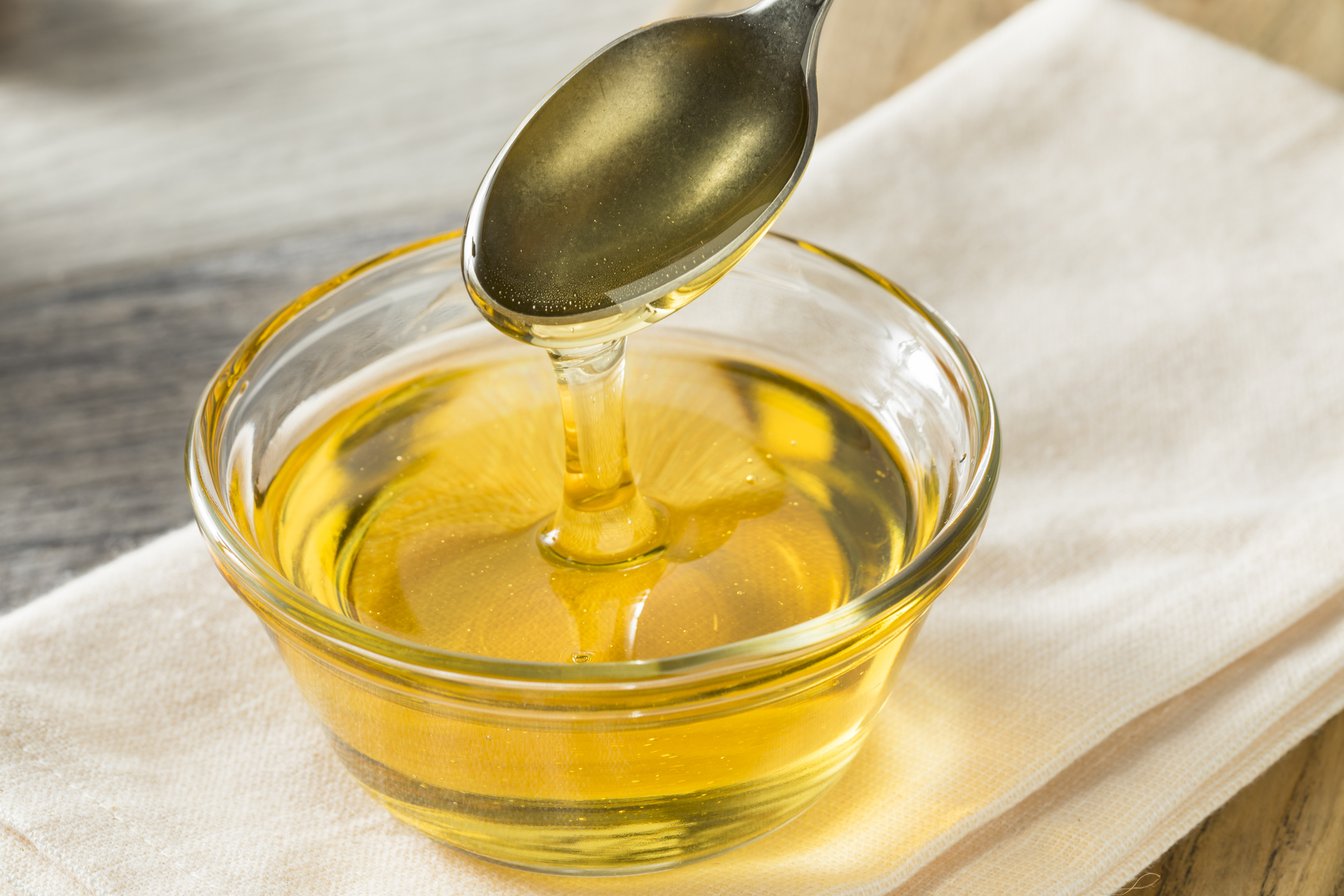
South Indian cooking leans on rice and lentils instead of cream and butter, and most dishes are cooked in oil, not ghee (clarified butter).
Dosa (a thin, crispy rice-and-lentil crepe), idli (steamed rice cakes), uttapam (a thick savory pancake), upma (a semolina dish), and vada (savory fried lentil doughnuts) are typically vegan in their classic forms.
Some restaurants brush ghee on idli or dosa after cooking, but just ask for no ghee, which is an easy change since it’s applied at the end.
Round out your meal with sambar (a tangy lentil soup) and a trio of chutneys—mint, coconut, and tamarind are classics, and all are typically vegan.
North Indian and Punjabi Food
Restaurants offering North Indian and Punjabi cuisine lean harder on ghee, cream, and yogurt, but there are numerous dishes that can easily be made vegan.
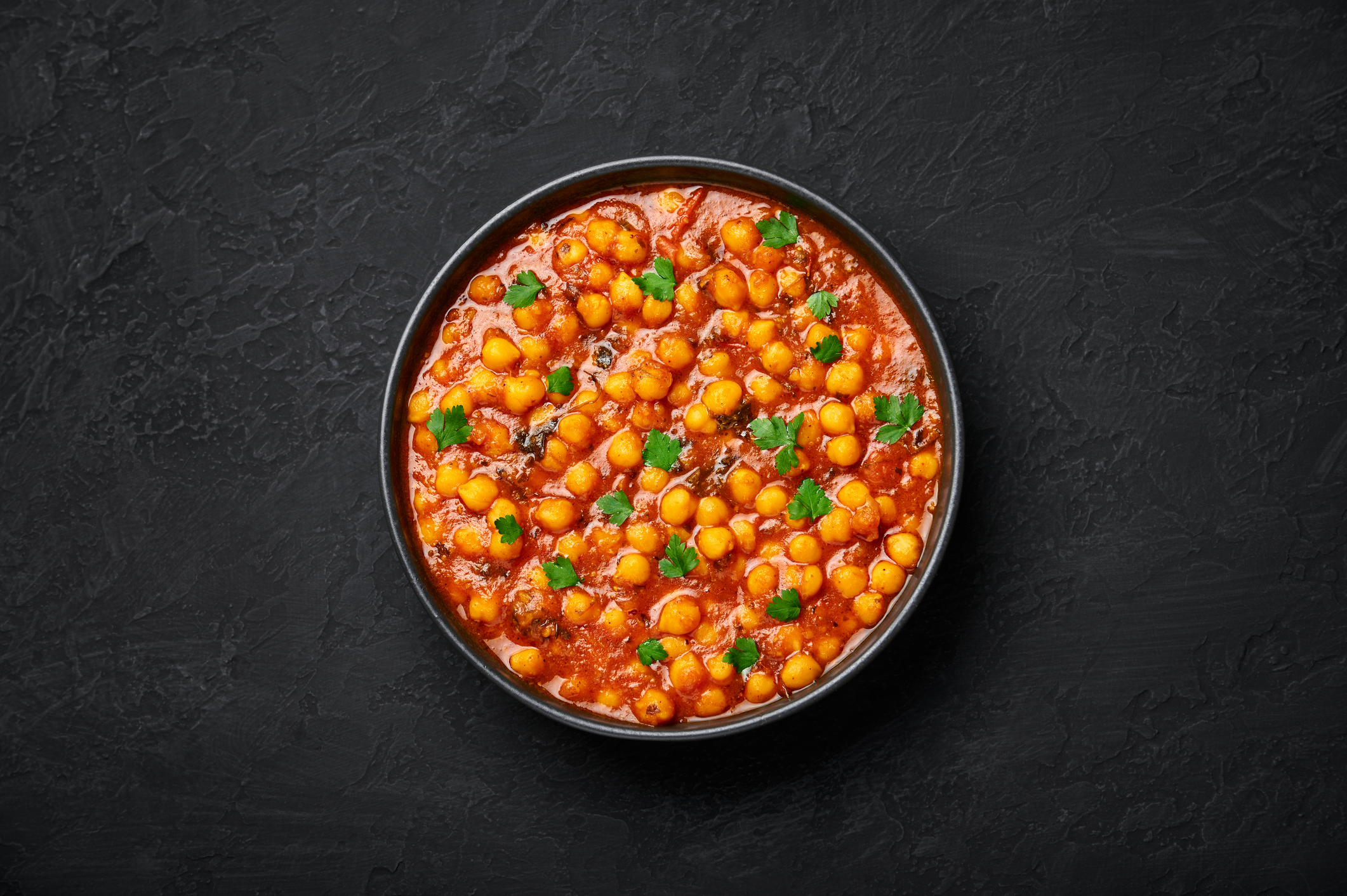
Chana masala (chickpeas in a spiced tomato sauce), aloo gobi (potatoes and cauliflower), baingan bharta (smoky mashed eggplant), aloo matar (potatoes and peas), and saag aloo (spinach and potato) are vegan if the restaurant cooks them with oil or vegan milk. Just ask the server if these dishes are cooked with dairy and if the restaurant can make them without it.
Words That Typically Mean “Not Vegan”
A few key words on an Indian menu almost always mean dairy is involved. Once you know them, you can scan a menu in seconds:
- Paneer: this means cheese. Paneer comes from dairy cows who are repeatedly impregnated so their bodies keep producing milk, then sent to slaughter once their bodies wear out from the cycle.
- Korma: usually a cream-based curry. Some restaurants make vegetable korma with coconut milk instead of dairy cream, so it’s worth asking.
- Malai: the Hindi word for cream. If you see it in a dish name, assume dairy.
- Makhani: means “buttery.” Dal makhani, a lentil dish, is a classic example: it’s made with lentils but simmered in butter and cream. Ask if the restaurant can make it with oil or coconut cream instead.
- Dahi: yogurt. Watch for it in marinades, curries, and on the side.
- “Gravy” or “creamy”: even when a dish sounds like a simple tomato or onion masala, these words are a strong signal that yogurt or cream is in the sauce.
Bread
Traditional naan dough is made with yogurt or milk and is often brushed with ghee or butter after it comes out of the oven, so assume it’s not vegan unless the restaurant says it is.
Roti and chapati are usually made with just flour, water, and oil. Paratha may also be vegan, but ask, since some versions include ghee or dairy. Puri (a puffy fried bread) is typically vegan. Bhature, a fried bread that resembles puri, is made with yogurt.
Rice and Biryani
Plain basmati rice and jeera rice (cumin rice) are naturally vegan. Vegetable biryani is often vegan, since it’s built around rice, vegetables, and spices—but it’s frequently served with a yogurt sauce on the side, so just ask your server to leave it off.
Dal
Dal (a stew made from lentils, split peas, or beans) doesn’t have to include dairy, but plenty of northern recipes—and some southern ones—simmer it or top it with butter. The lentils themselves are almost always vegan; it’s what’s added on top or stirred in that varies.
Indian Appetizers
Samosas are fried pastries stuffed with spiced potatoes and peas, and they’re usually vegan.
Pakoras (vegetables dipped in chickpea batter and fried) are typically vegan, too, whether they’re made with onion, spinach, or eggplant.
The single best trick for eating vegan Indian food is simple: tell your server up front that you don’t eat dairy, ghee, or meat, and ask before you order anything that sounds rich or creamy. Most Indian restaurants cook to order and are happy to swap ghee for oil or leave off a dairy-based sauce or topping.
If you’re new to being vegan, give yourself grace. Dining out gets easier with time, and you’ll quickly learn which restaurants and menu items work best for you. Focus on making choices that align with your values—not on being perfect. If you find a meal somewhere and later find out the bread wasn’t vegan, you’re still vegan. Every animal-free meal helps spare animals from suffering and shows restaurants that people want more vegan options.
Every Animal Is Someone
Indian cuisine proves that a meal can be rich, filling, and unforgettable without harming a living, feeling individual. Every cow, chicken, and goat used by the dairy and meat industries is someone with a personality, friends and family, and a desire to live.