Bees do so much—a pound of honey requires 2 million flower visits and more than 55,000 miles of flight. A single teaspoon of honey contains the lifetime output of twelve worker bees.
And they do this for their own purposes—storing food so the hive can survive the winter, and to feed their baby sisters. Not for humans to steal.
So leave the bees alone, and make compassionate choices that support them, rather than harm them.
The Kind Solution? Vegan Honey
Honey is flower nectar that has been evaporated and transformed by bees in a fascinating process that involves groups of them barfing up the nectar they have collected, fanning it with their wings to evaporate the water in it, then re-ingesting it over and over.
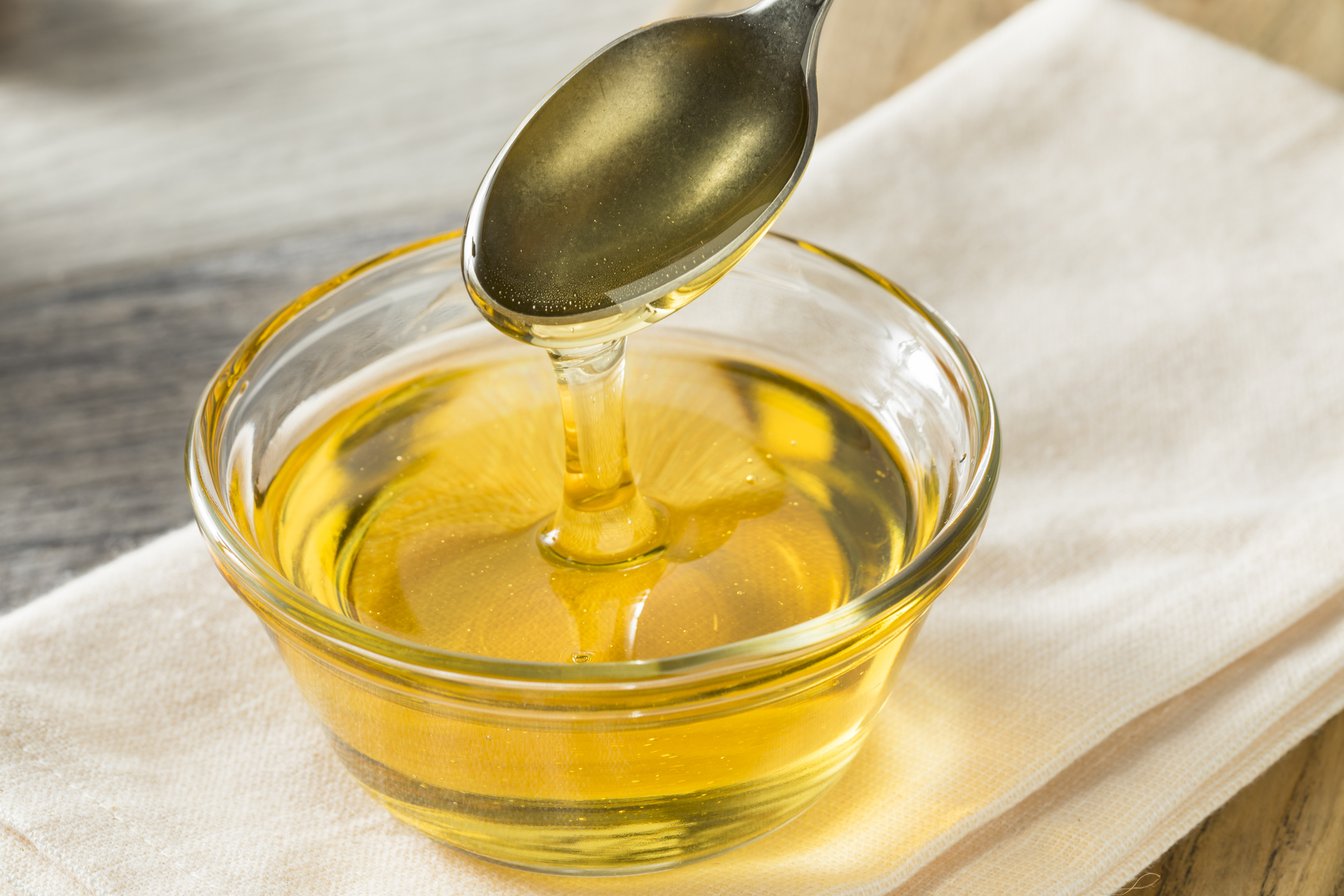
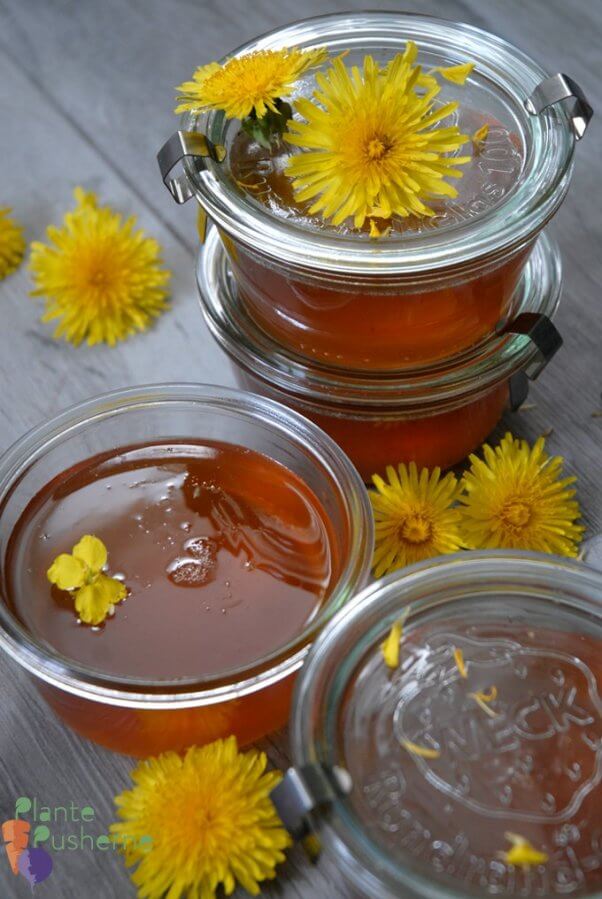
There are lots of vegan honey options, including both commercial and homemade. You can also use any of the readily available vegan sugar syrups, like agave, date, brown rice, sorghum, or maple.
Vegan Beeswax
The wax from the candelilla plant is almost exactly the same as beeswax in both color and physical properties. You can use it for candles, soaps, balms, crafts, and many other purposes. I use candelilla wax in my homemade salves and balms, and also to make vegan encaustic artwork.
Vegan Pollen
Bee pollen is packed with B vitamins. B-heavy vegan sources include spirulina, chlorella, or nutritional yeast.
Vegan Royal Jelly
A complex substance that includes B vitamins and enzymes, vegan ingredients with similar properties include adaptogens like ginseng, maca, and ashwagandha, fermented plant extracts like coconut water kefir, and amino acid and vitamin-rich spirulina and chlorella.
Pollination
Yes, honeybees are great pollinators, but native bees are even more effective. And they really could use some help. There is a pollinator crisis happening right now in North America, and bees are the hardest hit, with 35% of native bee species at risk of extinction due to the climate catastrophe, agriculture, habitat loss, and urban development.
Not only are they better pollinators, native bees add a buzzy diversity to your garden, with big, loud bumblebees sharing space with tiny, shimmering sweat bees. A lot of these bees are stingless, and they are mostly solitary or live in small colonies, not big hives.
It’s really satisfying to add a few features to your garden to support bees. Most importantly, don’t use any chemicals that are toxic to bees. Then, plant some pollinator-friendly plants—I have flowers like calendula and borage mixed in with my veggie garden here in Vermont, and the bees love it. And finally, create some places for native bees to nest by building a bee house.
Bee Smart
So, let’s coexist with bees, not exploit them. Do it in a way that promotes the diversity of threatened native bee species, improving the environment for plants, for bees, and for you.
And that’s as sweet as can bee.