
Discover




Vegan Nutrition FAQs
Nutrition experts estimate that most of us need between 0.8 and 1 gram of protein per day for every kilogram of body weight. That works out to 55 grams of protein per day for someone who weighs 150 pounds or approximately 10 percent of normal caloric intake (people in endurance training and pregnant women might require a bit more, of course). If a vegan eats a reasonably varied diet and consumes a sufficient amount of calories, he or she will undoubtedly get enough protein. And, unlike animal protein, plant-based protein sources contain healthy fiber and complex carbohydrates.
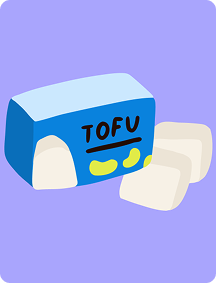
While virtually all vegan foods contain some amount of protein, soybeans are protein powerhouses. Soybeans contain all the essential amino acids and surpass all other plant foods in the amount of protein that they can deliver to humans. Other rich sources of non-animal protein include legumes, nuts, seeds, food yeasts, tofu tempeh, and prepackaged vegan meats made from soy or wheat protein.
A well-planned vegan lifestyle provides us with all the nutrients that we need, minus all the cholesterol and contaminants found in animal flesh, eggs, and dairy “products.” Vegan foods are linked to lower risks of heart disease, diabetes, and certain cancers. Vegans also often have more energy, better digestion, and clearer skin.
Eating a healthy, balanced mix of vegan foods, including beans, nuts, whole grains, fruits, and vegetables—along with a reliable source of vitamins B12 and D—will give you everything your body needs. If you often eat on the go or don’t always have time for nutritious meals, taking a multivitamin might be a good option.
While you can get B12 from non-animal sources that have been fortified with it, such as cereals, vegan milks and yogurt, and fortified nutritional yeast, many vegans take a vegan liquid or pill-based supplement.